

Working together towards a more peaceful world
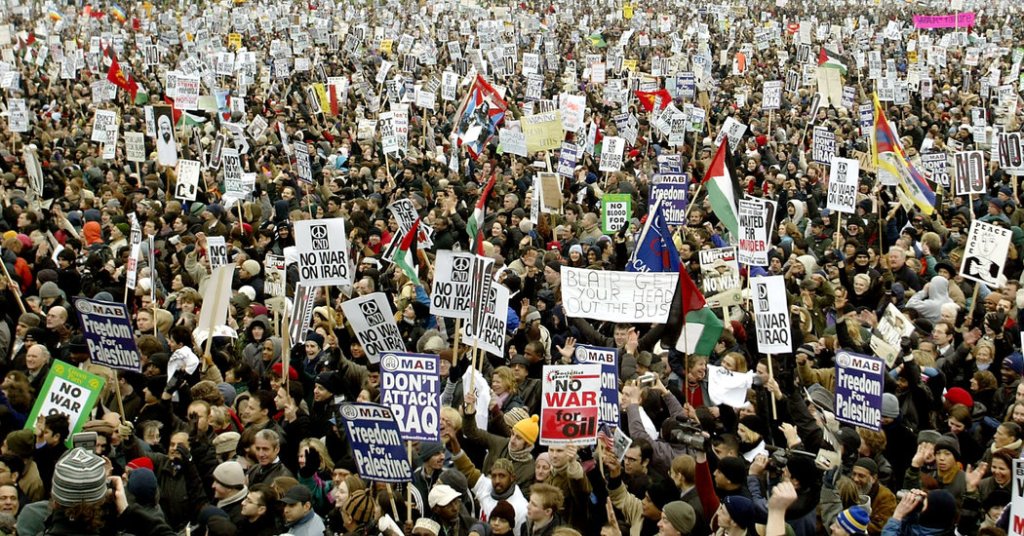
It is very clear that humanity needs to make the transition from militarism to a safer world. We need a greatly reduced military budget and massively increased spending on the essentials of life for all people – water, food, shelter, clean energy and prevention of pollution, education, health care, biodiversity, decarbonisation, and all the other key requirements of civilisation. This after all is the real security that we need at all times.
There are a large number of people and organisations who are working for peace in this war-torn world, ranging from professors in academic departments who spend their lives thinking, studying, and teaching about peace, through non-governmental organisations (NGOs) whose mission is to create a more peaceful world, to dedicated activists who are ready to be arrested and sent to jail for serious periods of time to further the cause of peace.
What is lacking in all this diversity is a central focus for our thoughts about peace and coordinated action from all these actors. There is an excellent organisation called Rethinking Security that is bringing together 18 mainly UK-based peace organisations, but there is room for widening this unity, and for bringing pressure on decision-makers in a more focused way.
Peace Manifesto
One possibility for a focused plan is that peace organisations should agree on a brief Peace Manifesto that sets out the essential components needed to bring about a more peaceful world, a brief manifesto that could draw us together and that would help us to focus on the changes we want our representatives to make.
There is already a Peace Manifesto movement which adopts and promotes this brief message:
“I’m sick and tired of the culture of war,
so I give my support to the culture of peace,
I will keep spreading the word
on social media until we win.”
This expression of feeling needs to be complemented with a brief, one page summary of the essential changes in political thought that need to be made – a Peace Manifesto.
International Day of Peace
The United Nations has an International Day of Peace each year on September 21st. The Catholic Church also has a World Day of Peace on January 1st each year, and there are several other organisations that have their Day of Peace.
If we advertise these days more actively, and then use the theme of the day methodically and in a coordinated way to press all our governments to take real steps, we will create a more peaceful world.
On the International Day of Peace, September 21st, the UN chooses a theme. In 2025-6 the theme is “Invest in Peace”, thi idea being that the theme should be considered and acted upon on that one day.
But would it not be more powerful if the many peace organisations could pick uo the theme and use it throughout the following year as a focus for our actions and campaigns for the whole twelve month period?
We can turn the Day of Peace into a Year of Peace, by getting every participating peace organisation in the world to take up an aspect of the theme for the year and convert it into a demand to be pressed on governments.
For instance, the 2026 theme of Invest in Peace could have involved comparing the vast amounts spent on the military industrial complex with the relatively tiny amounts spent on the salaries of government officials whose duty it is to communicate with their opposite numbers in countries considered to be a threat.
When we have information on this amount, and the ratio of the sums spent on war-making and peace building, we can put the debate around this figure to the media and to our representatives in Congress and Parliament, in letter writing campaigns and mass lobbies. Letter writing campaigns will involve looking at the replies we get, and responding to those replies.
There might be a review of the campaign on January 1st, (the Catholic Church’s World Day of Peace).
In the next International Day of Peace the process will be repeated, building on progress made in the previous year.
The Military Industrial Complex is using its immense wealth on a daily basis to lobby and influence politicians. Compared to them, we have negligible wealth, but immense numbers. We must use our numbers in a coordinated way to overcome the influence of the war mongers.
The role of defence forces
Defence forces may be generally seen as a necessary component of the modern state, and may perhaps still be a necessary component of nation states well into the future, but at significantly lower levels, and on a mutually agreed basis. The world is in 2026 spending far too much on military technology – $2.7 Trillion a year. This ever-increasing overspend is creating less security, not more.
We must stop and reverse this escalatory trend.
The eventual aim of this site is to set out all of the arguments for peace, at first simply, so that a child of fifteen can grasp it, then link to pages that expand each topic further and further in a tree-like structure leading to expansions and discussions and eventually to academic references.
Many changes are needed to make the transformation from the current culture of militarism to a culture of peace and sustainability.
The changes range from getting ourselves into a calm and peaceful state, peace in our families, in our community, our nation and finally, peace in international relations. This site is mainly about international peace, and the need for a clear, focused and comprehensible plan of what is needed to bring about a more peaceful world.
Related Pages
Militarism: Escalation of de-escalation?

